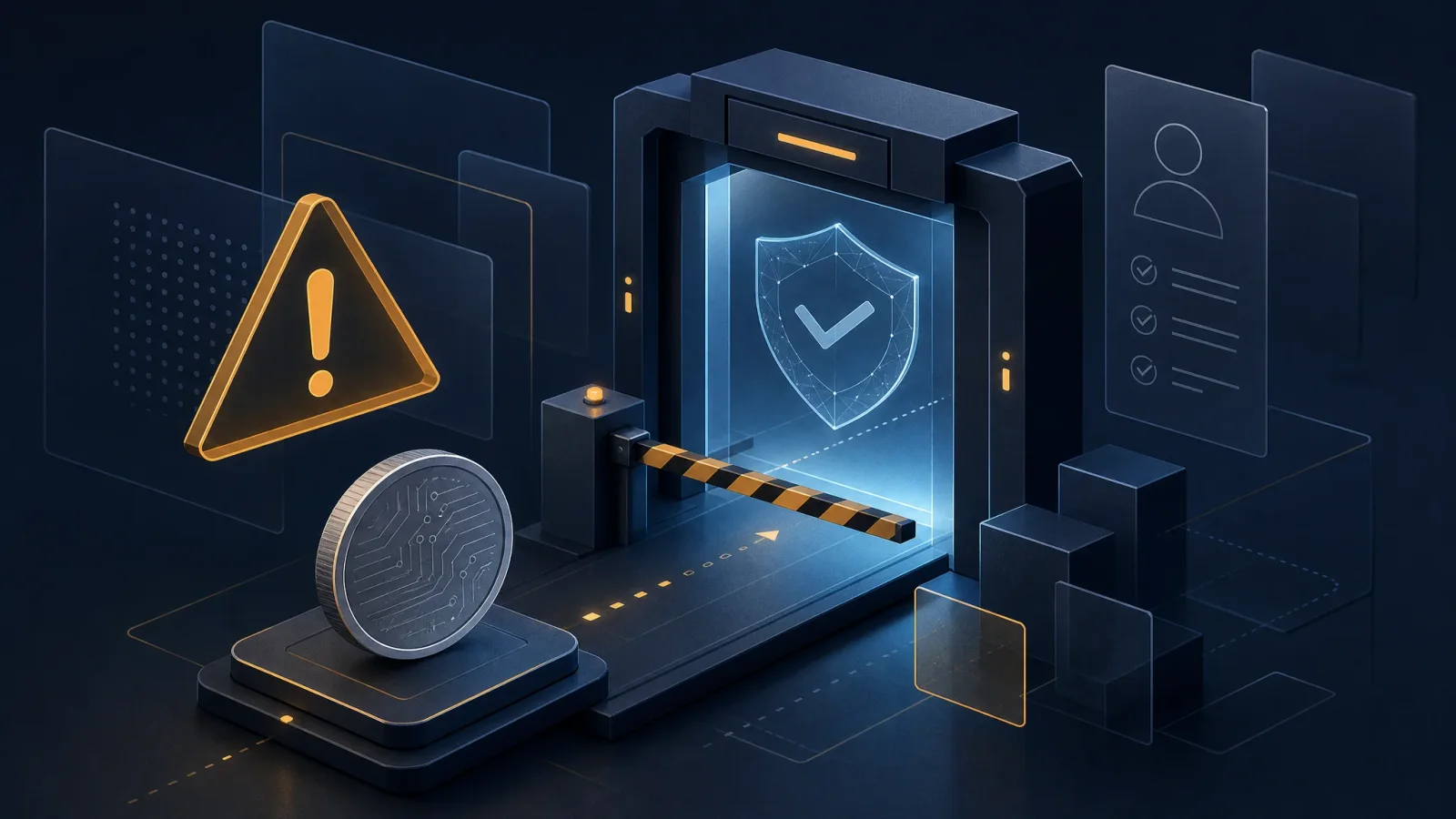
A Decrypt report calls attention to a narrow but important danger: a compliance-themed request can be used to seek a transaction approval. Decrypt published the report on August 20, 2026. It says scammers are impersonating crypto compliance services. The reported aim is to induce users to approve transactions that could expose their assets to risk. The supplied material does not explain how such attempts would work technically, and that limit should shape the response.
Keep the report’s boundaries clear
The reported tactic is an impersonation allegation, not a technical explanation of what follows an approval. That distinction matters because the supplied materials support a focus on transaction approvals while leaving the means of any attempted wallet drain unestablished. Readers should avoid filling that gap with assumptions about software, networks, permissions, or assets. A careful account can identify the decision point without claiming to know the underlying mechanism.
The practical concern is therefore not a broad claim about every compliance service. It is the possibility that a user may encounter a service presented as legitimate and then be asked to authorize a transaction. Treating that request as a consequential moment is more useful than guessing at details the report does not provide.
Why the approval request is central
According to Decrypt, the alleged objective is to persuade users to approve transactions that could put assets at risk. That framing places attention on the request itself rather than on persuasive branding or urgent language. A compliance label alone should not settle whether an approval is warranted. The available material provides no technical account of the transaction being requested, so readers should not present one as established fact.
This narrow approach also avoids overstating the report. It does not turn an allegation about impersonation into evidence of confirmed losses, a named target, or a defined scale of activity. Precision is especially important when the facts supplied identify a risk scenario but leave major operational questions unanswered.
Broader context without overreach
Investor.gov’s supplied crypto-assets material highlights rapid price movement, uncertainty around execution, and the possibility of loss as relevant risk topics. Those market and trading considerations are separate from the reported compliance-service impersonation tactic. They offer context for crypto-asset users, but they do not explain the alleged scam or establish a connection to it.
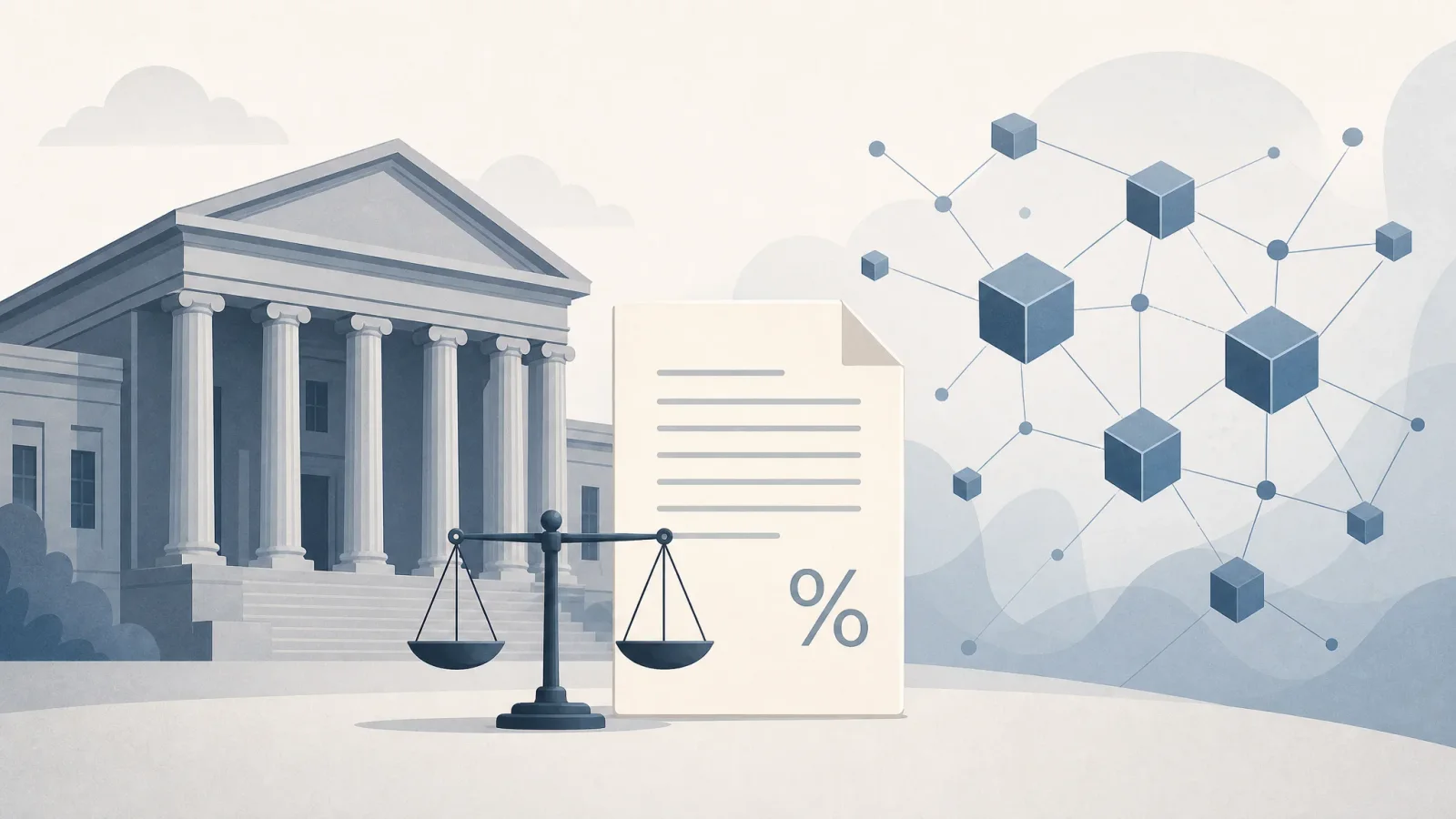
The SEC also announced a proposal called Regulation Crypto Assets on August 18, 2026, describing a proposed framework for certain investment contracts involving crypto assets. That announcement should not be treated as a final rule or as a response to the report described by Decrypt. Keeping regulatory developments separate from an unverified impersonation scenario helps prevent false links between distinct pieces of information.
Why this matters for crypto users
A compliance-themed transaction request can move attention away from the approval decision and toward the appearance of legitimacy. The most useful response is to keep the decision point in view: an approval should receive deliberate scrutiny rather than automatic acceptance. This is a user-safety principle, not a claim that any particular interface, wallet, or service is involved.
That restraint has value. It prevents users and commentators from converting an incomplete report into a detailed story about technical methods, victims, or outcomes. The supplied evidence supports caution around transaction approvals; it does not support confident claims about what happened beyond the reported attempt to obtain them.
Conclusion
The Decrypt report warrants a focused reading: scammers were reported to be posing as crypto compliance services and seeking approvals that could endanger assets. Good analysis preserves that warning while acknowledging what remains unknown. The central lesson is to distinguish a reported approval risk from unproven technical or financial outcomes.
Sources
- Fake Crypto AML Checkers Are Trying to Drain Users’ Wallets
- Investor.gov crypto assets
- SEC Proposes New Regulation Crypto Assets